Lawn insect control
Serving Oshawa and Durham Region
- Season
- May to September
- Frequency
- Every 4 to 6 weeks in season
- Typical visit
- Under an hour
The short answer
The two pests that do real damage in Oshawa are white grubs, which favour moist soil, and chinch bugs, which favour hot dry lawns. We identify which one you have before treating, run preventative visits every 4 to 6 weeks in peak season, and most lawns show recovery within 2 to 3 weeks.
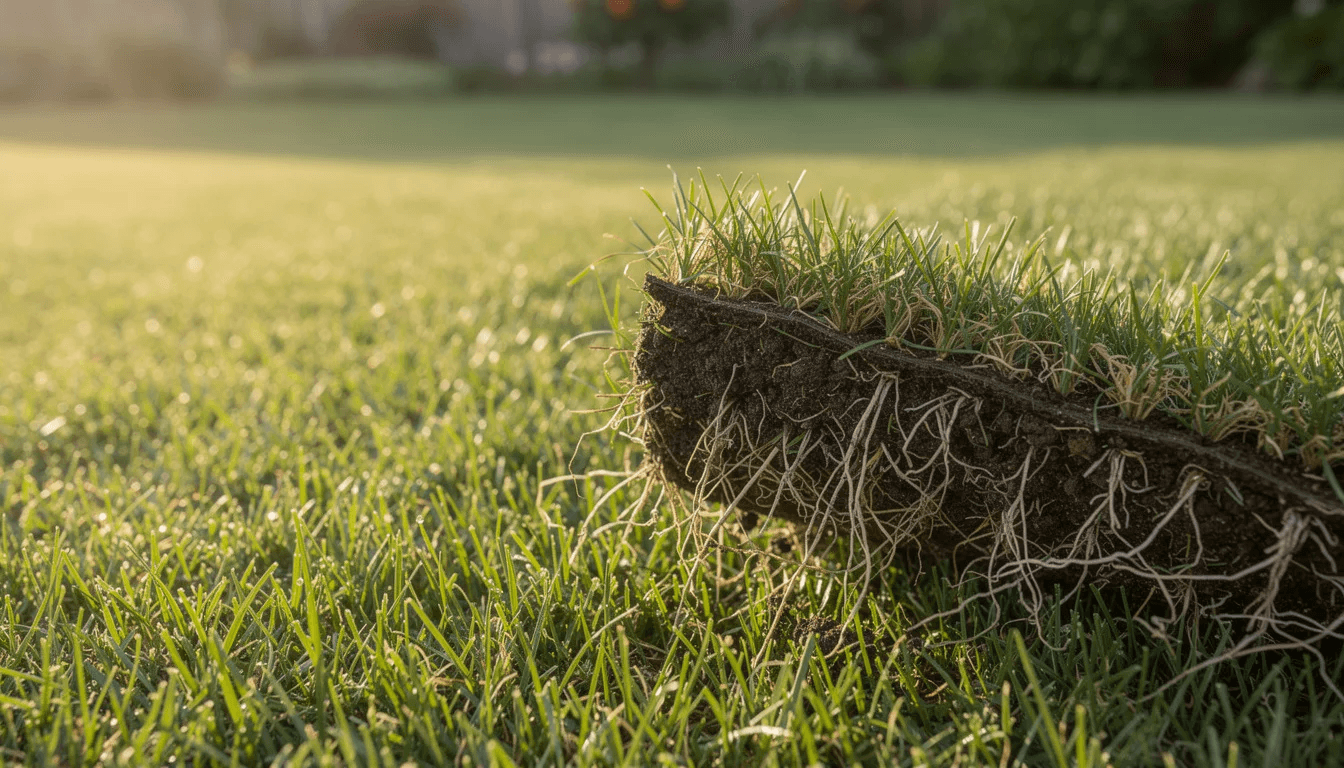
The two insects that ruin lawns around Oshawa want opposite conditions. White grubs, the larvae of June beetles and chafers, feed on roots under moist soil. Chinch bugs drain the blades themselves and multiply fastest in hot, dry turf. Treat for the wrong one and you pay for a product the actual pest ignores, which is why identification comes before anything else we do.
How we handle lawn insects
- We confirm the pest first. Peeling back a damaged patch, checking the root zone and counting what we find tells us whether the problem is grubs, chinch bugs or something insects get blamed for, like disease or drought.
- We treat what is actually there. Product and timing depend on the insect and its life stage; young larvae are far easier to control than mature ones, so acting in the right window matters.
- We keep populations down through the season. Preventative programs run every 4 to 6 weeks through peak season, so numbers never rebound to damaging levels.
- We check that the lawn is recovering. Most turf shows visible improvement within 2 to 3 weeks, and if an area is too far gone we say so and quote the repair honestly.
When insect pressure peaks
The season runs May to September. Chinch bugs do their damage in the hottest, driest stretch of midsummer, exactly when their handiwork is easiest to mistake for drought. Grubs feed hardest in late summer and early fall, when the new generation of larvae is small, hungry and, usefully for us, at its most vulnerable to treatment. Organic options, including beneficial nematodes for grubs, are available across the season.
Signs insects are eating your lawn
Brown patches that spread despite watering. Turf that lifts away like carpet because the roots beneath it are gone. Skunks and raccoons digging up the lawn overnight, hunting the same grubs we treat for. A dry-looking patch in full sun that stays brown no matter how much you water it, which is the classic chinch bug signature. Grub problems severe enough to need a dedicated program have their own page at grub control.
Insect damage often opens the door for other trouble, so it pairs naturally with disease control and, once the pests are gone, lawn repair to fill in what they ate. Not sure what is killing your grass? Request a free quote and we will come and identify it.
What's included
- Inspection to confirm grubs, chinch bugs or neither
- Targeted treatment matched to the pest and its life stage
- Preventative visits every 4 to 6 weeks in peak season
- Organic and eco-friendly product options
- Follow-up check to confirm the lawn is recovering
Insect control, answered
What insects damage lawns in Oshawa?
White grubs and chinch bugs cause nearly all the serious damage we see. Grubs are beetle larvae that eat roots below moist soil; chinch bugs suck moisture from grass blades and thrive in hot, dry lawns.
How do I know if I have grubs or chinch bugs?
Grub-damaged turf lifts like loose carpet because the roots are gone, and skunks or raccoons often dig for the larvae overnight. Chinch bug damage looks like drought stress in the sunniest, driest parts of the lawn, except watering does not fix it.
How long does insect control take to work?
Most lawns show visible recovery within 2 to 3 weeks of treatment. Badly chewed areas may also need repair or overseeding once the insects are dealt with, and we will tell you if that is the case.
Is lawn insect control safe for pets and kids?
We use targeted products at label rates and follow the label re-entry times, usually just until the treated area has dried. We let you know after each visit when the lawn is fine to use again.
Do you offer organic insect control?
Yes. Nematodes are an effective biological option for grubs when applied at the right soil temperature, and cultural changes to watering can make a lawn far less inviting to chinch bugs.
Can insect damage be prevented?
Largely, yes. Preventative treatments every 4 to 6 weeks through peak season stop populations before they reach damaging numbers, which is far cheaper than repairing a lawn after an outbreak.